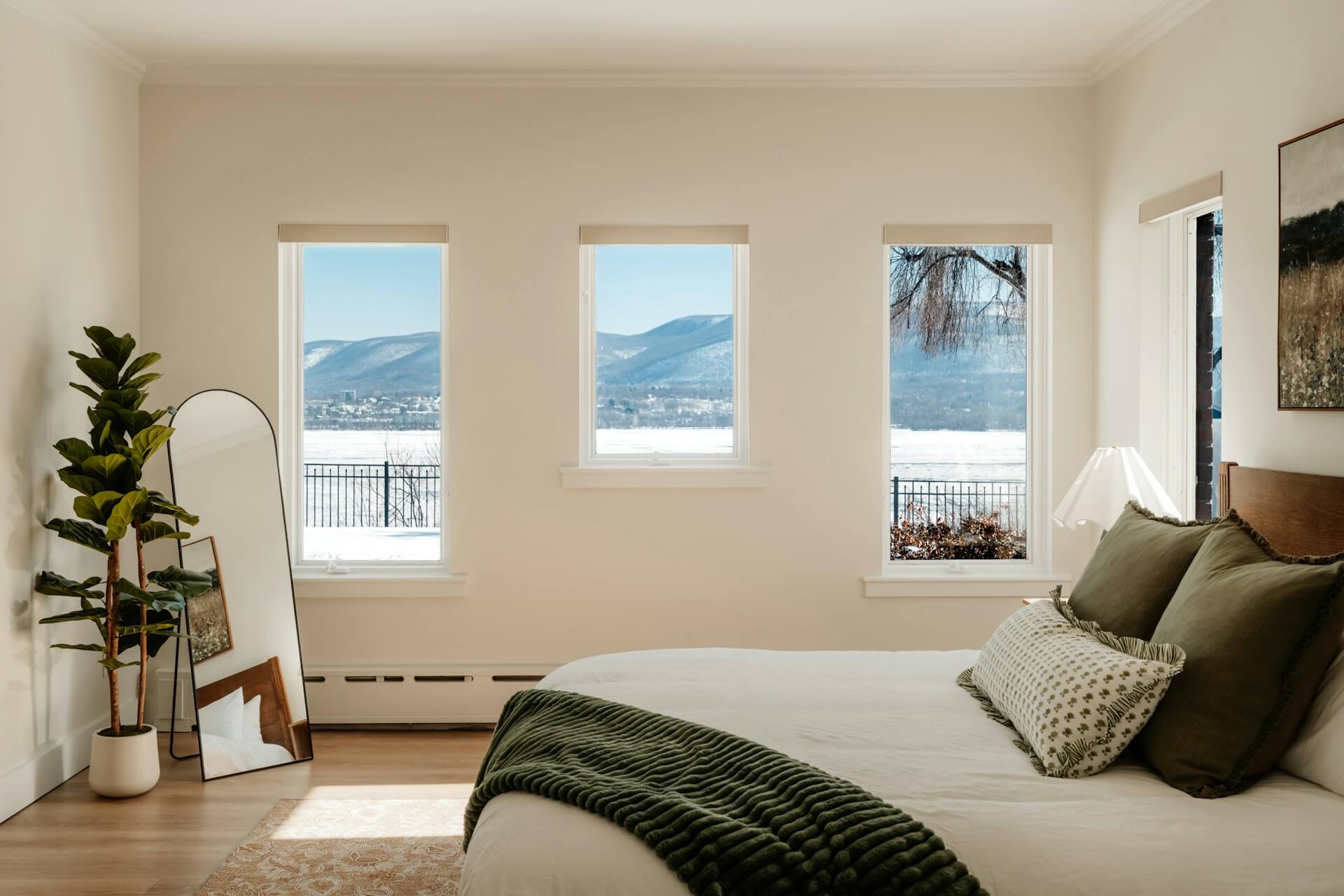
You wake up, and instead of getting up, you just... don't. Snacks within reach. Phone charged. A show queued up. Nowhere to be and no intention of going anywhere.
Somewhere along the way, this got a name: bed rotting. And it went viral, with people posting their full-day duvet marathons as a kind of rebellion against hustle culture.
But it also raises a fair question. Is staying in bed all day a genuine form of rest, or is it something you should pay attention to?
The honest answer is that it can be either. What matters is why you're doing it, and how you feel afterward.
What Bed Rotting Actually Is
Bed rotting is spending an extended stretch of time in bed doing very little on purpose: scrolling, watching shows, snacking, dozing, and avoiding the outside world. Fans of the trend describe it as a way to fully switch off after a draining week, without guilt.
That last part is what made it resonate. A lot of people have been taught that rest has to be earned, and bed rotting flips that. It says: I'm allowed to do nothing.
When It Can Be Genuinely Restorative
Choosing to spend a day in bed can be a healthy reset when it's a deliberate decision, not an escape. It tends to help when:
- you're recovering from a genuinely intense stretch of work, travel, or stress
- you chose it, rather than feeling unable to do anything else
- you feel a little more rested or lighter afterward
- it's an occasional thing, not your default way of coping
- you're still eating, drinking water, and checking in with the people who matter to you
In these cases, it works the way any real rest does: it gives your body and mind a break from constant demands.
When It Might Be Telling You Something
Bed rotting stops being a reset when it becomes the only way you can cope, or when it starts to feel less like a choice and more like a trap. It's worth paying attention if:
- you feel worse afterward, not better, more sluggish, guilty, or numb
- you're doing it often, and it's starting to replace things you used to enjoy
- you can't seem to get out of bed even when you want to
- you're skipping meals, hygiene, or plans regularly because everything feels like too much
- the "rest" doesn't actually leave you rested
- you feel flat, hopeless, or disconnected for days at a time
None of these automatically mean something is wrong. But together, they can point to burnout, chronic stress, or low mood that deserves more than a duvet day.
Rest Versus Avoidance
The easiest way to tell the difference is to ask yourself what you're doing it for.
Rest is moving toward something: recovery, quiet, the energy to show up again. Avoidance is moving away from something: a difficult conversation, a looming deadline, a feeling you don't want to look at.
Sometimes it's a bit of both, and that's okay. But if you notice that staying in bed is mostly about not facing something, it can help to name what that something is. Often it's smaller and more manageable once it's said out loud.
Why It Feels So Appealing Right Now
It's no coincidence this trend took off. Many people are running on constant stimulation, constant availability, and constant pressure to be productive. Doing nothing, unapologetically, feels almost radical by comparison.
There's also a real longing behind it: a wish for a day when nobody needs anything from you. That longing is worth listening to, even if a full day in bed isn't the only way to meet it.
Ways To Rest That Might Restore You More
If you love a slow day, there's nothing wrong with it. But if you often end them feeling more drained than when you started, a few tweaks can help:
Mix in small resets. Open a window. Get some daylight, even for ten minutes. Shower or change into clean clothes. These tiny shifts can make a lazy day feel restorative instead of heavy.
Put the phone down for part of it. Endless scrolling keeps your brain working even when your body is still. A stretch of screen-free time, with music, a book, or just staring at the ceiling, tends to rest you more.
Eat and drink something real. Snacks are fine. But regular meals and water make a noticeable difference to how you feel by evening.
Plan a gentle anchor. One small thing, like a short walk, a text to a friend, or tidying one corner, can stop a rest day from blurring into a spiral.
Notice how you feel the next morning. That's usually the honest answer to whether it helped.
You Don't Need Permission To Rest
You're allowed to have slow days. You don't have to justify them, earn them, or make them productive. But you're also allowed to notice when rest isn't working, and to ask for more support than a day in bed can give.
If you've been feeling persistently low, exhausted, or unable to get going for more than a couple of weeks, it may be worth talking to a doctor or mental health professional. You don't have to wait until it feels bad enough.
👉 At Sana, we believe rest should leave you feeling more like yourself, not further away from yourself. Take the slow day when you need it. And be kind enough to check in on why.